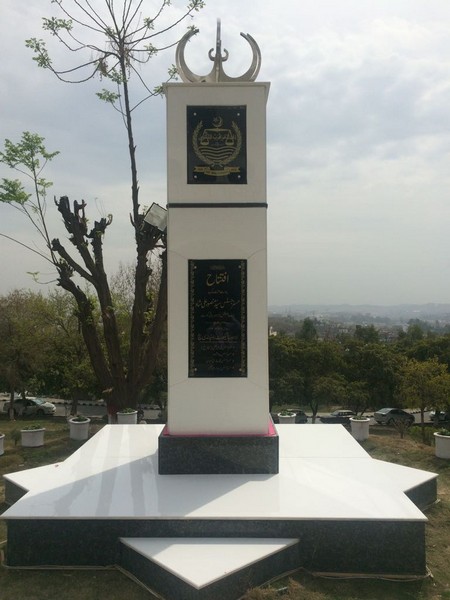
Hon'ble Judges Hailed/Elevated from Rawalpindi Division
Rawalpindi is named after the village yogis known as Rawals. This City has a rich history that is spread over several millennia. Rawalpindi is located on the Potohar Plateau, about 275 KMs to the Northeast of Lahore; the capital city of the Province of Punjab. The City, especially the town of Taxila, falls within the ancient boundaries of Gandhara civilization, is renowned for ancient Buddhist heritage, and is included in the UNESCO World Heritage Sites. Various material objects excavated from Taxila proves that the city has its roots linked to the city of Gajinipur which belonged to Bhatti tribe before common era.
Hun devastation had sent the civilization to oblivion during the 14th century. After the invasion of Mahmud of Ghanzi, the city was gifted to Kai Gakkhar (the Chief of Gakkhar tribe). As the region was part of invasion route, it remained deserted till the reign of Jhanda Khan (the then Gakkhar Chief). Jahnda Khan habituated the city in 1493 and named it as Rawalpindi. The Gakkhars ruled Rawalpindi till their last Gakkhar ruler, Muqarrab Khan. The city was taken over by the Sikhs in 1756. The Sikh traders found the place suitable for trade and invited its community members to get settled in the city. Rawalpindi gained popularity due to newly acquired importance. After the British conquest in 1849, the city was made a permanent garrison of the British army in 1851. The British laid and inaugurated Railway line on January 1, 1886. The Railway system is still working and is the main link to the rest of the country. The railway link was a major mode of logistics for the British army after Lord Dalhousie made Rawalpindi the headquarters of the Northern Command. Rawalpindi was the largest British military garrison in British India. The City witnessed many important events that proved pivotal to the history of Pakistani politics. One such incident was assassination of the first elected Prime Minister of Pakistan, Liaquat Ali Khan in 1951 in the Liaquat Garden.
Today Rawalpindi is the headquarters of the Pakistani Army and Air Force. It is adjacent to Pakistan's capital ‘Islamabad’, and the two are jointly known as the "twin cities" due to a strong social and economic links between these cities. Nala Lai, notorious for its floods, runs through the middle of the city, dividing it into City area and Cantonment area. The City is rapidly developing into a large modern city. It has many good hotels, restaurants, clubs, museums, parks and playgrounds. Ayub National Park, consists of more than 300 acres, is the largest park of the city. Every year, in the months of summer, tens of thousands of tourists flock to the mountain resorts of Rawalpindi (Murree, Kotli Sattian and Narar Kahuta) to find a temporary respite from the scorching heat. Rawalpindi also serves as a common starting point for travelers going to the northern areas of the Country i.e Abbottabad, Swat, Kaghan, Gilgit, Hunza, Skardu and Chitral.
On January 01, 1981, by the High Courts (Establishment) Order (Punjab Amendment) Ordinance, 1 of 1981, permanent Benches of the Lahore High Court were established at Bahawalpur, Multan and Rawalpindi. The then Hon’ble Chief Justice Hon’ble Mr. Justice Shamim Hussain Qadri, through notification dated Jan 05, 1981, nominated Hon’ble Mr. Justice Khalil-Ur-Rehman, Hon’ble Mr. Justice Kh. Habibullah, Hon’ble Mr. Justice Rustam S. Sidhwa and Mr. Justice Muhammad Afzal Lone to constitute Bench at Rawalpindi. On Saturday January 10, 1981 Hon’ble Mr. Justice Rustam S. Sidhwa inaugurated the Rawalpindi Bench of Lahore High Court at the State Guest House Kohinoor Mill, Peshawar Road, Rawalpindi.
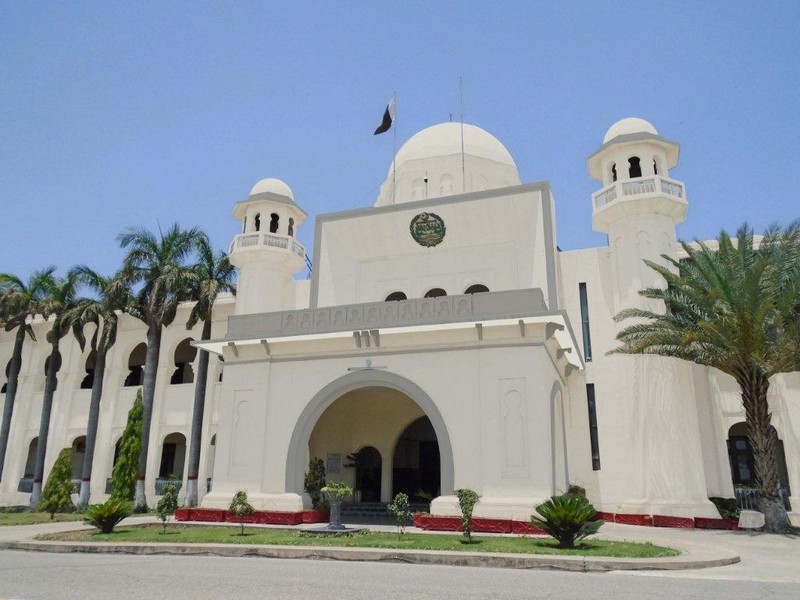
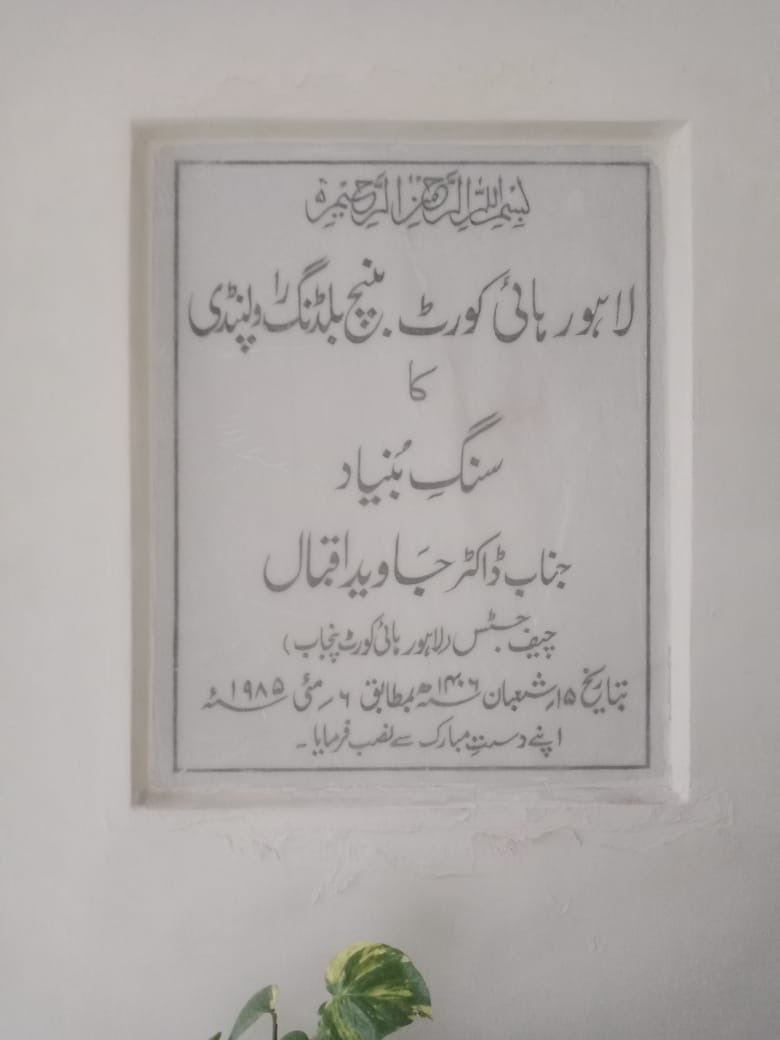
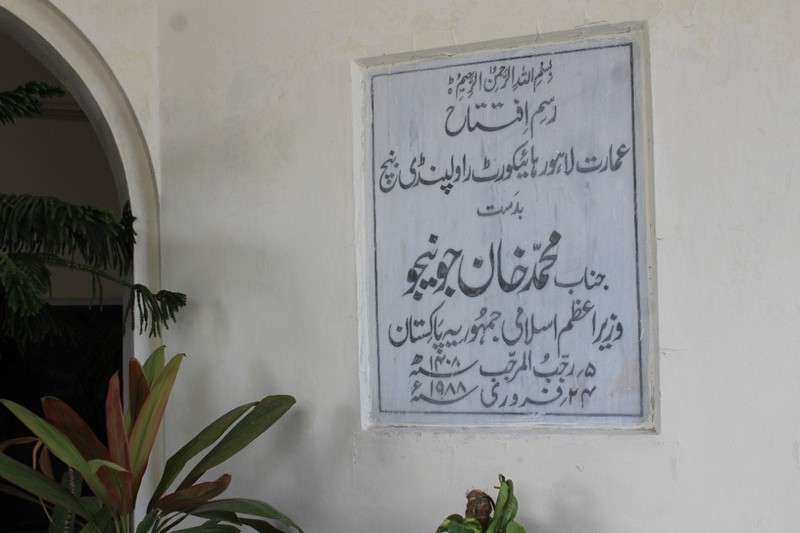
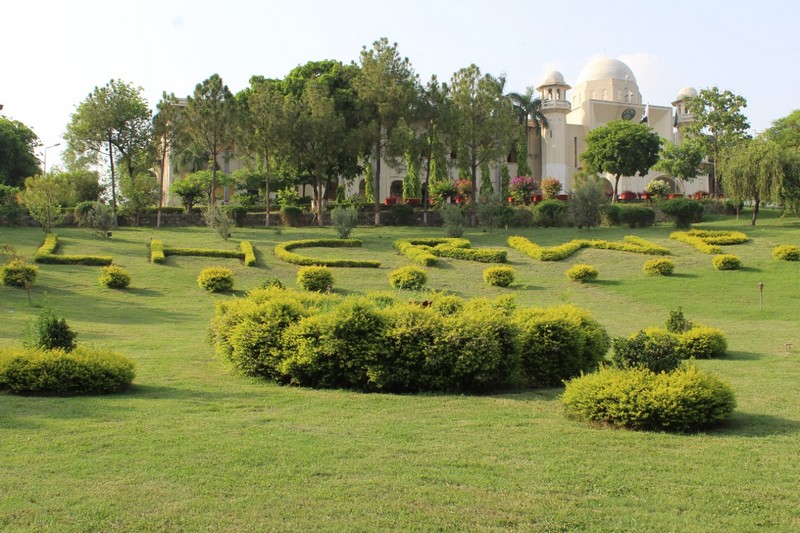
In 1984-85, Land was acquired for a new building at its present location. On May 06, 1985 the then Chief Justice Lahore High Court Hon’ble Mr. Justice Javed Iqbal laid foundation stone of the new building. On Feb 24, 1988, the then Prime Minister of Pakistan, His Excellency Mr. Muhammad Khan Junejo inaugurated the new building. Initially 6 Courts were established & inaugurated, which have been increased to 8 Courts uptill now.